
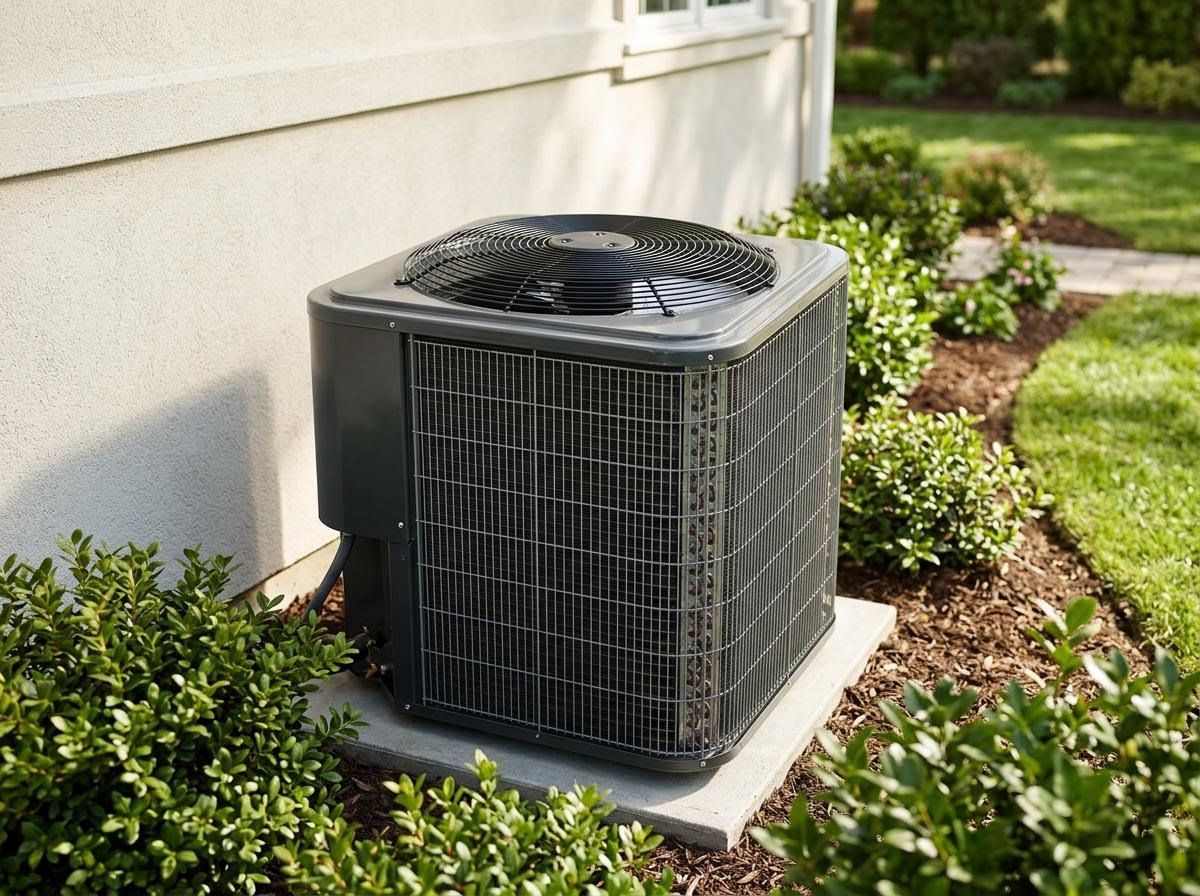
Your air conditioning system is a complex network of components working in harmony to keep your home or business comfortable. One small yet mighty part, often overlooked, is the expansion valve, which plays a crucial role in regulating refrigerant flow and ultimately your system's cooling efficiency. Understanding its function and recognizing the signs of a problem can save you from bigger headaches down the line. With two decades of experience, Eastern Tech is here to shed light on this vital component and help you know when it’s time to call in the experts.
The Unsung Hero: What is an Expansion Valve and How Does It Work?
At the heart of your AC system's cooling process is the refrigerant, which cycles between a liquid and a gas state. The expansion valve, often a thermostatic expansion valve (TXV), is precisely engineered to control the amount of liquid refrigerant entering the evaporator coil. Imagine it as a precise gatekeeper: it measures the temperature and pressure of the refrigerant, allowing just the right amount to flow into the coil. This process is critical because as the refrigerant expands and changes state from liquid to low-pressure gas, it absorbs heat from your indoor air, effectively cooling your space. If this valve isn't functioning correctly, the entire cooling cycle can be thrown out of balance, leading to inefficiencies and discomfort.
Telling Signs of a Troublesome Expansion Valve
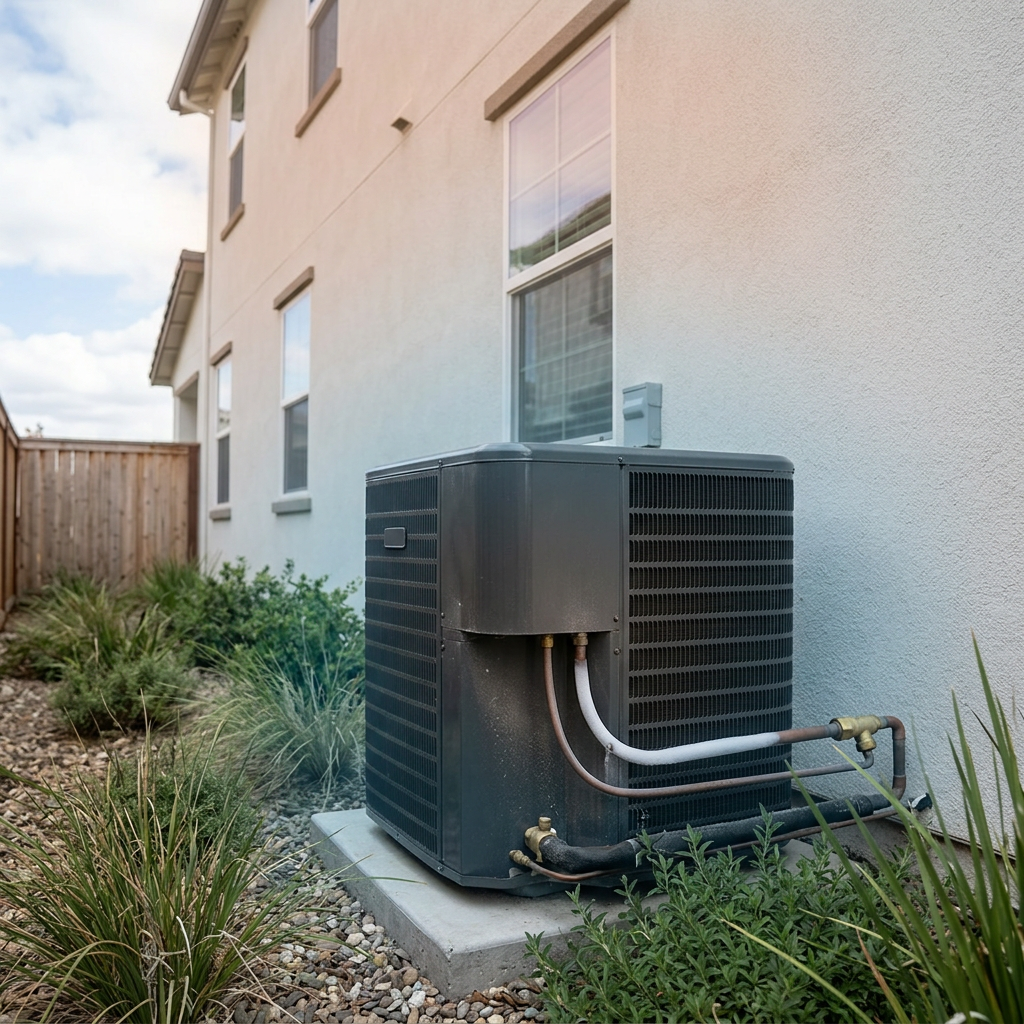
A malfunctioning expansion valve often gives clear signals that something is amiss with your AC unit. One of the most common indicators is inconsistent cooling; you might notice that some areas of your property are cool while others remain warm, or that the system struggles to reach the set temperature. Another telltale sign is the formation of frost or ice on the refrigerant lines, particularly the larger suction line leading back to the outdoor unit. This happens when the valve is restricting flow too much, causing pressure to drop excessively. You might also hear unusual hissing or gurgling noises coming from your indoor unit, which can be attributed to refrigerant flow issues. Finally, a significant spike in your energy bills without a change in usage could also point to an inefficient system struggling due to a faulty expansion valve.
Why Professional AC Repair is Indispensable for Valve Issues
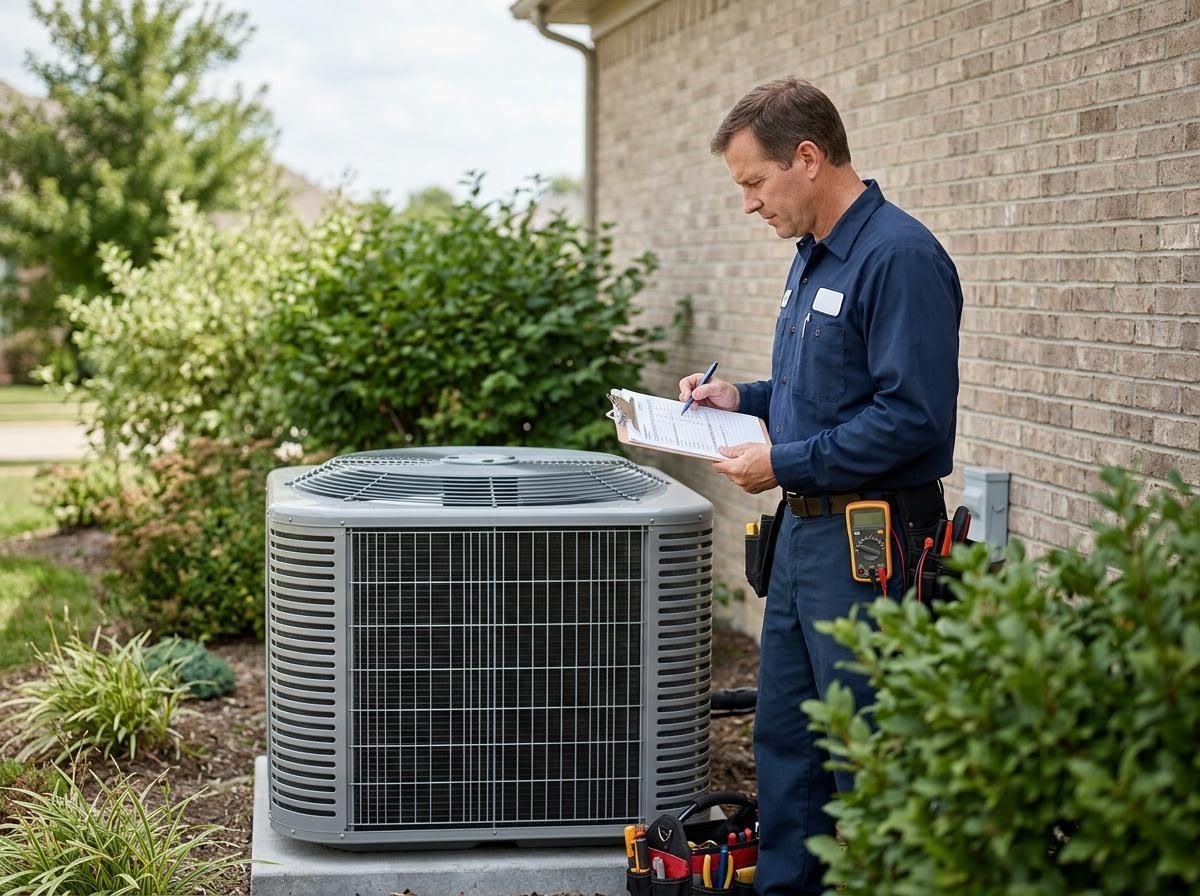
While the symptoms of an expansion valve problem can be noticeable, diagnosing and repairing it is definitely a job for seasoned professionals. The valve is a precision instrument, and its replacement requires specific tools, technical knowledge, and an understanding of refrigerant handling. Attempting a DIY repair can not only damage your system further but also pose safety risks due to pressurized refrigerants. A qualified technician will accurately diagnose whether the expansion valve is indeed the culprit or if other components are causing similar symptoms. They will ensure proper refrigerant levels, test the system's pressure, and calibrate the new valve for optimal performance. If you notice any of these problems, don't hesitate to reach out to a professional to get a quote for a thorough inspection and necessary repairs.
Recognizing the signs of a failing expansion valve is crucial for maintaining a comfortable and energy-efficient environment. These small components play a significant role in your cooling system's overall performance. If you suspect an issue, addressing it promptly with expert assistance can prevent minor problems from escalating into costly repairs. For all your heating, ventilation, and air conditioning needs, including comprehensive HVAC services, reach out to Eastern Tech. As a trusted HVAC contractor in Chantilly, we're dedicated to ensuring your systems run smoothly and efficiently. Contact us today to learn more.